Our Story
Cook together.
Gather around the table.
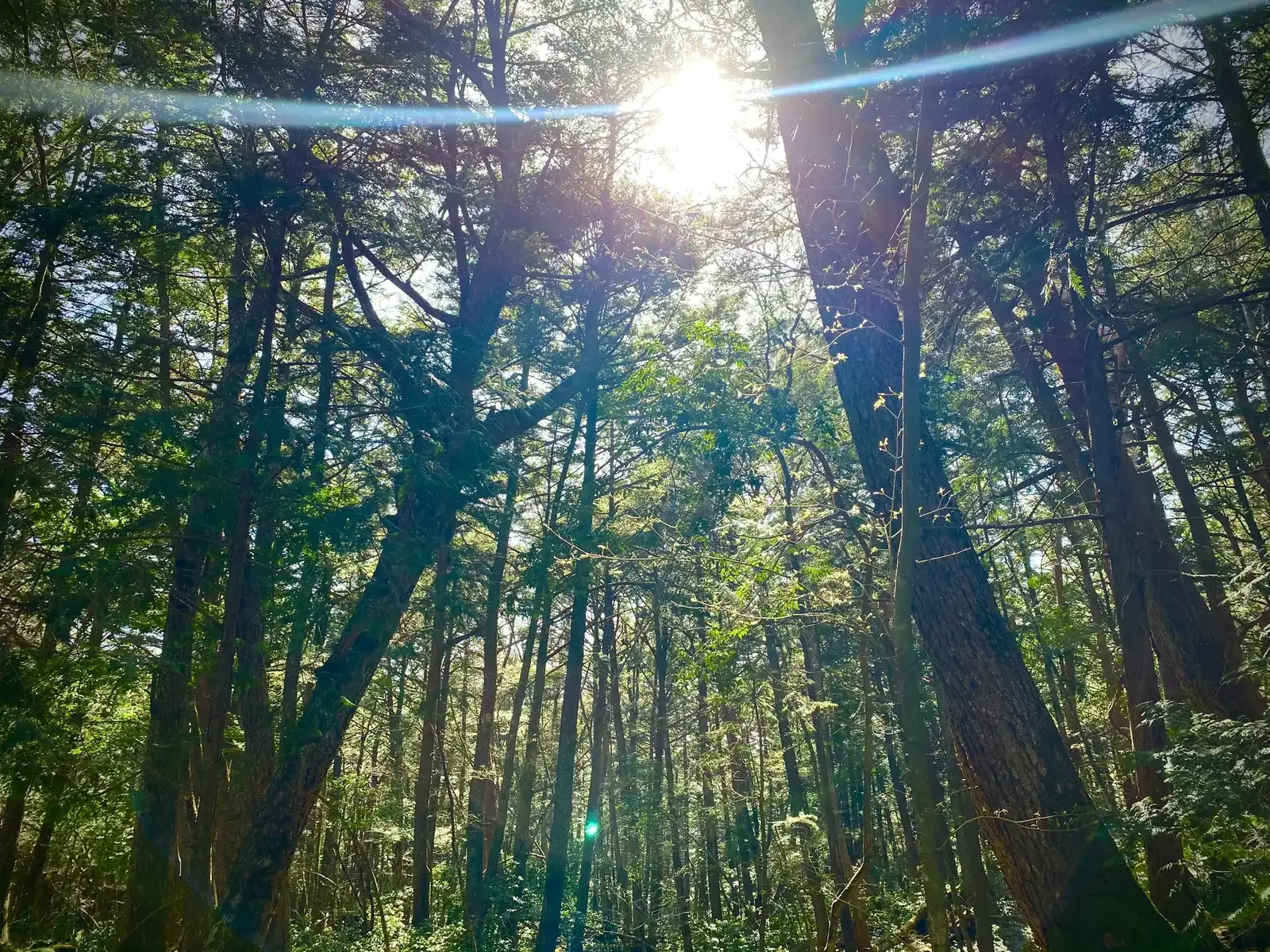
Walk in the forest.
Soak in a hot spring.
Read.
Stretch.
Talk for hours.
Or do nothing at all.
At the foot of Mt. Fuji, near Lake Yamanaka: one private house, one group at a time, up to six guests.
A place for simple, unhurried days.
The whole house is yours. No other guests, no front desk, no hotel routine.
Wake up and make coffee. Wander into the garden before deciding what to do with the day. Walk down to the lake if it’s nice out. Go for a hike, find a hot spring, or stay in and read. Nap in the afternoon. Cook dinner together.
Not every trip needs an itinerary. Sometimes the best part of being away is having the time to simply be where you are — and that’s the kind of stay we hope Casa Verde gives you.
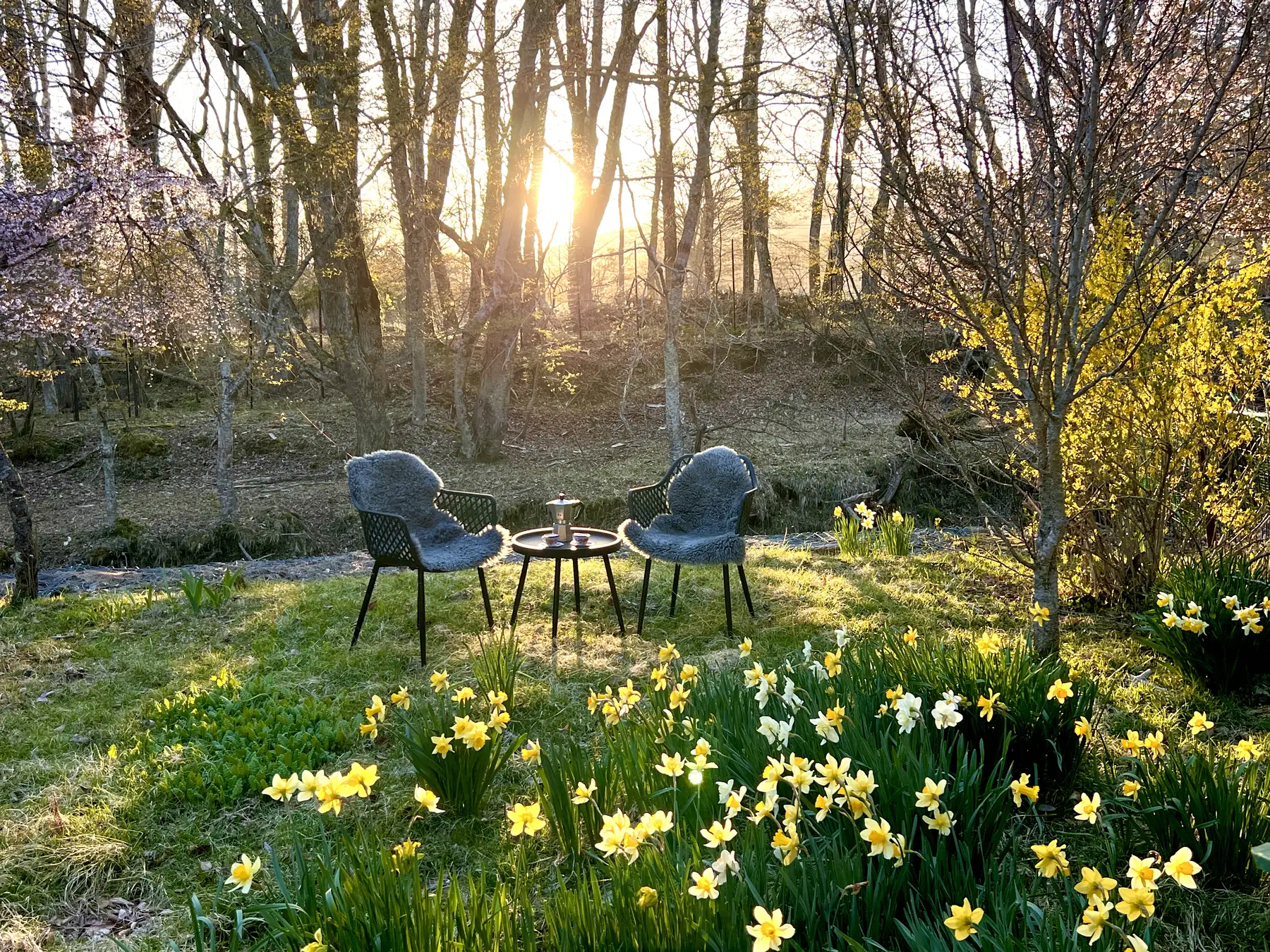
The garden opens onto the forest. In the quiet of the morning, roll out a yoga mat, meditate, stretch, or just sit among the trees for a while. No schedule, nothing to keep up with — only morning light, the sound of the forest, and birds in the branches.
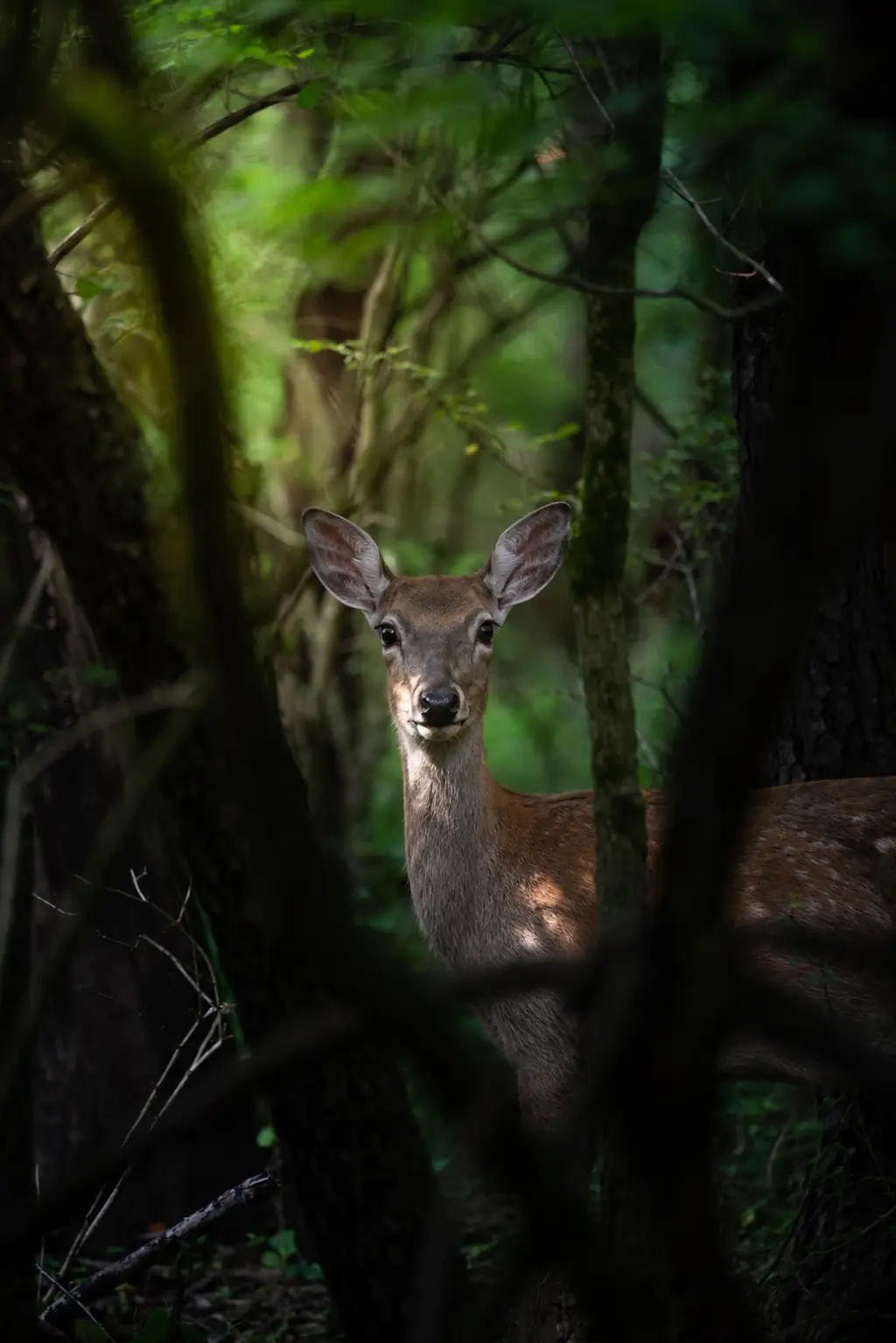
A day without plans. Just go with the flow.
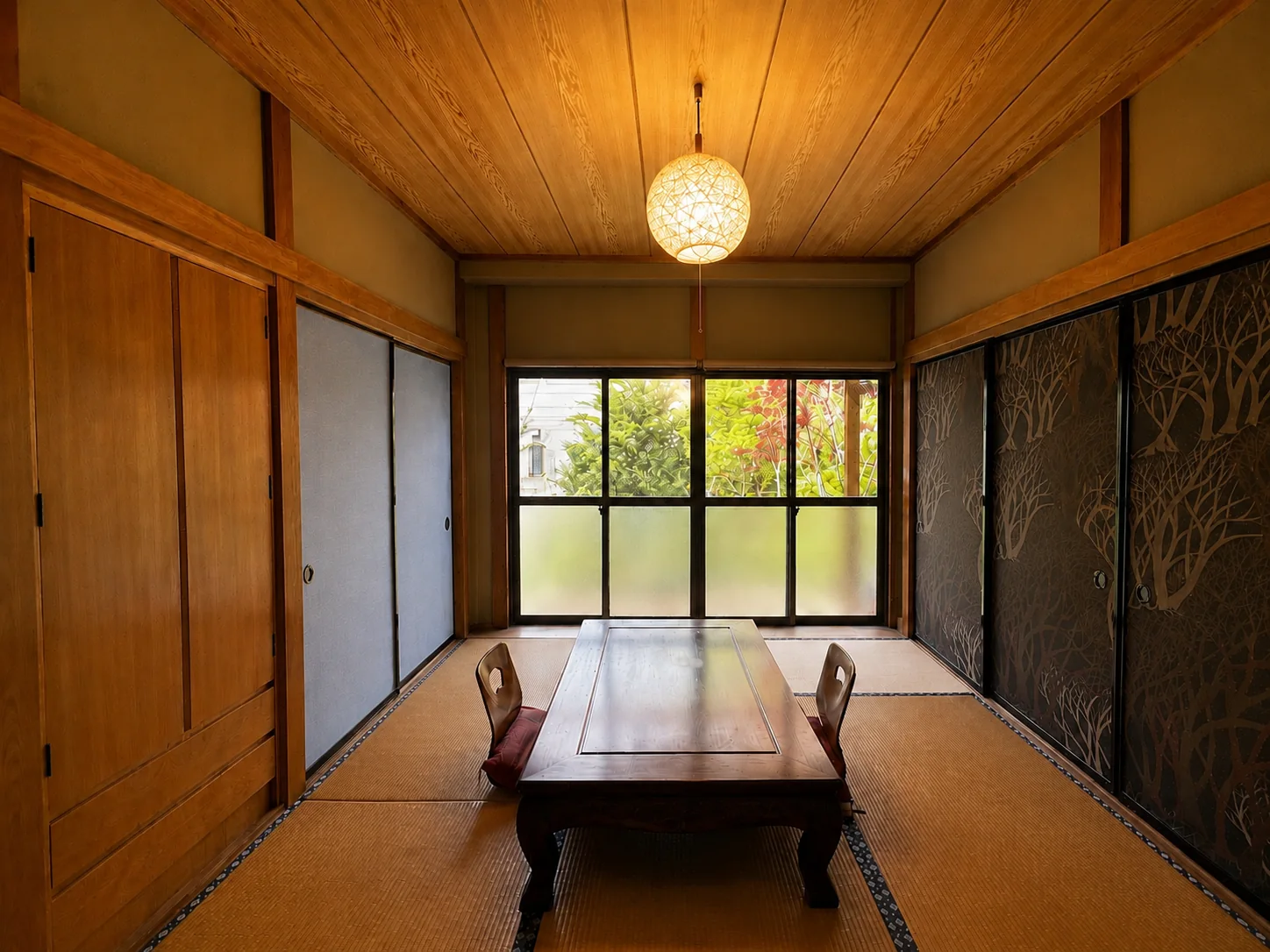
Casa Verde isn’t just a place to stay. It’s also a home for small retreats, workshops, trainings and gatherings. We’re not a big retreat centre — and that’s exactly what makes it work.
Everyone sleeps under one roof. Meals are shared. People drift into the garden, talk between sessions, make coffee together in the morning. There’s time to connect beyond the programme — and those in-between moments often matter as much as the scheduled ones.
A retreat isn’t only yoga or meditation. It can be moving, learning, making things, resting, talking, walking in nature, eating together — or simply being with people, with nowhere else to rush off to.

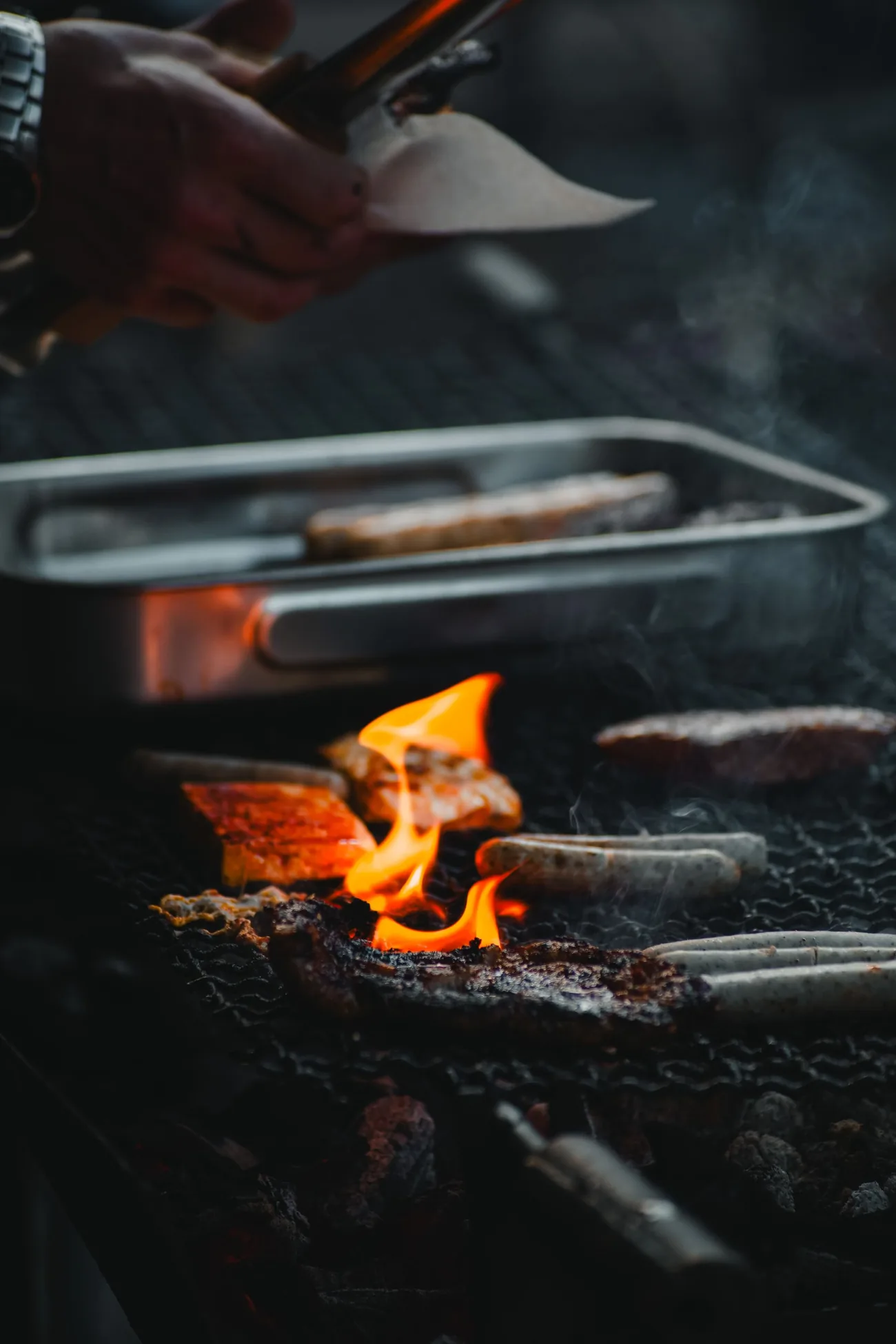
Food at Casa Verde isn’t about fine dining. It’s about cooking together, passing plates around, and lingering at the table. On a good day, fire up the grill in the garden, with the forest right there.
Want a taste of Yamanashi? We’re happy to point you to local producers — Yamanashi pork and, in season, wild game — and to wines from the region, picked by a sommelier.
For retreats and groups, we can help arrange catering to suit your numbers, tastes and budget. Or you can just cook together. There’s no right way to eat here — what matters is having time to sit down together.

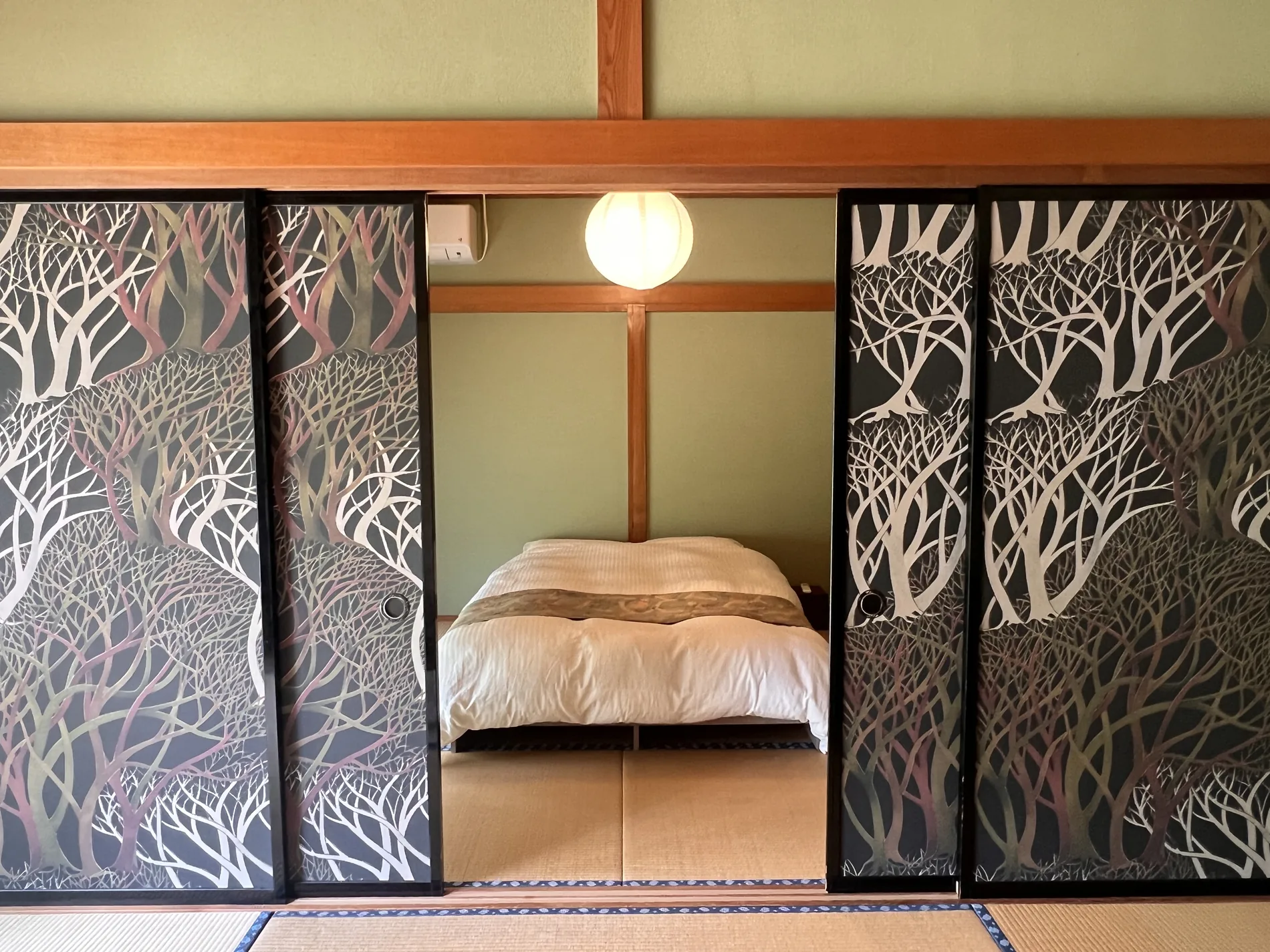
Throughout the house you’ll find paintings by the Japanese artist Mashima Takeshi. We’ve known him for many years, and his work isn’t here as decoration — it’s part of the house.
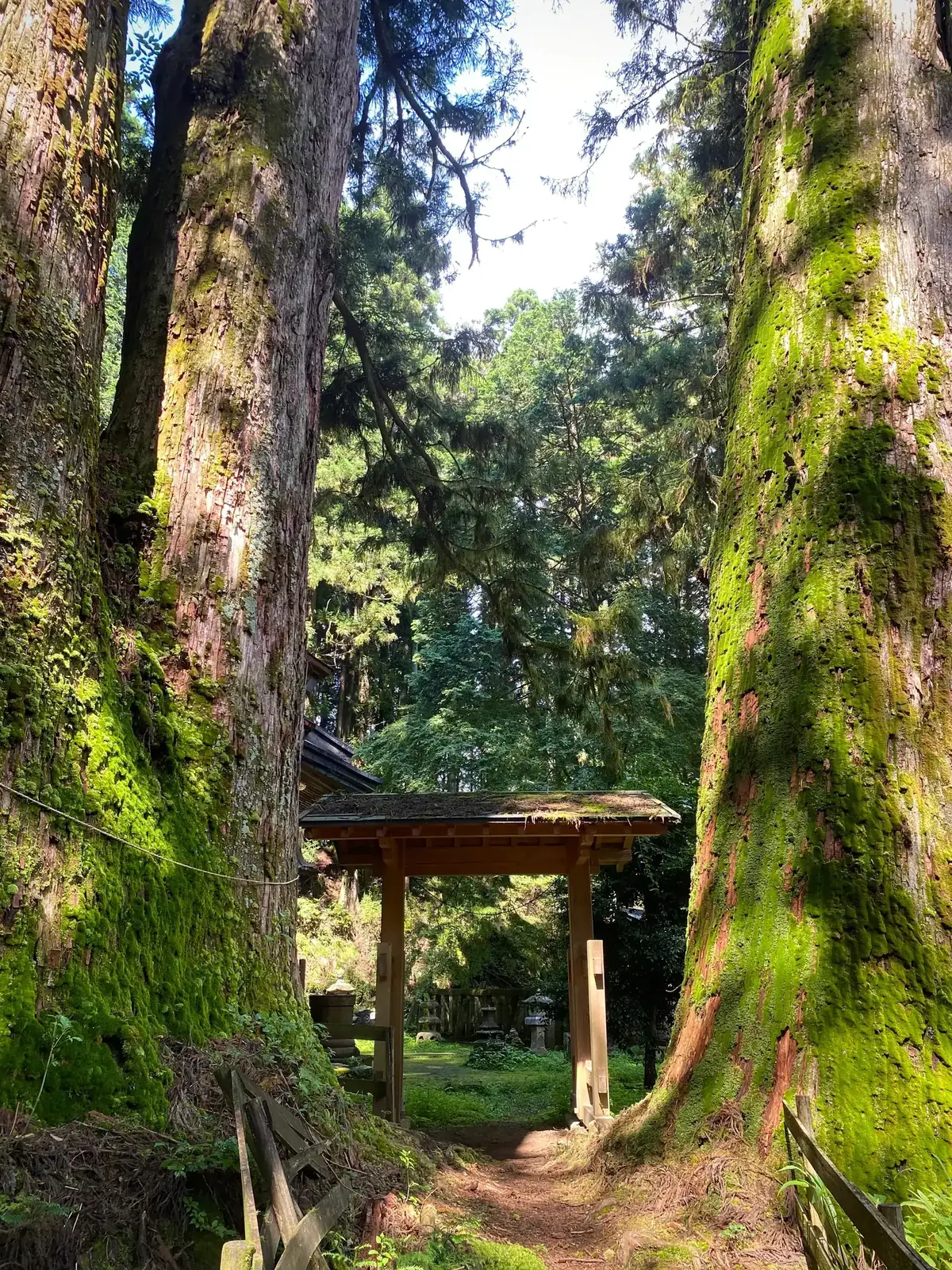
You don’t have to go far. Lake Yamanaka is close by, and so are the village-run hot springs, a lovely library tucked into the forest, and plenty of hiking trails.
A good day here can be very simple. A slow start in the garden. A walk in the forest. Some time by the lake. A long soak in a hot spring. An hour among the library shelves. Home before dark, dinner on the stove, a bottle of local wine — and a quiet evening in.
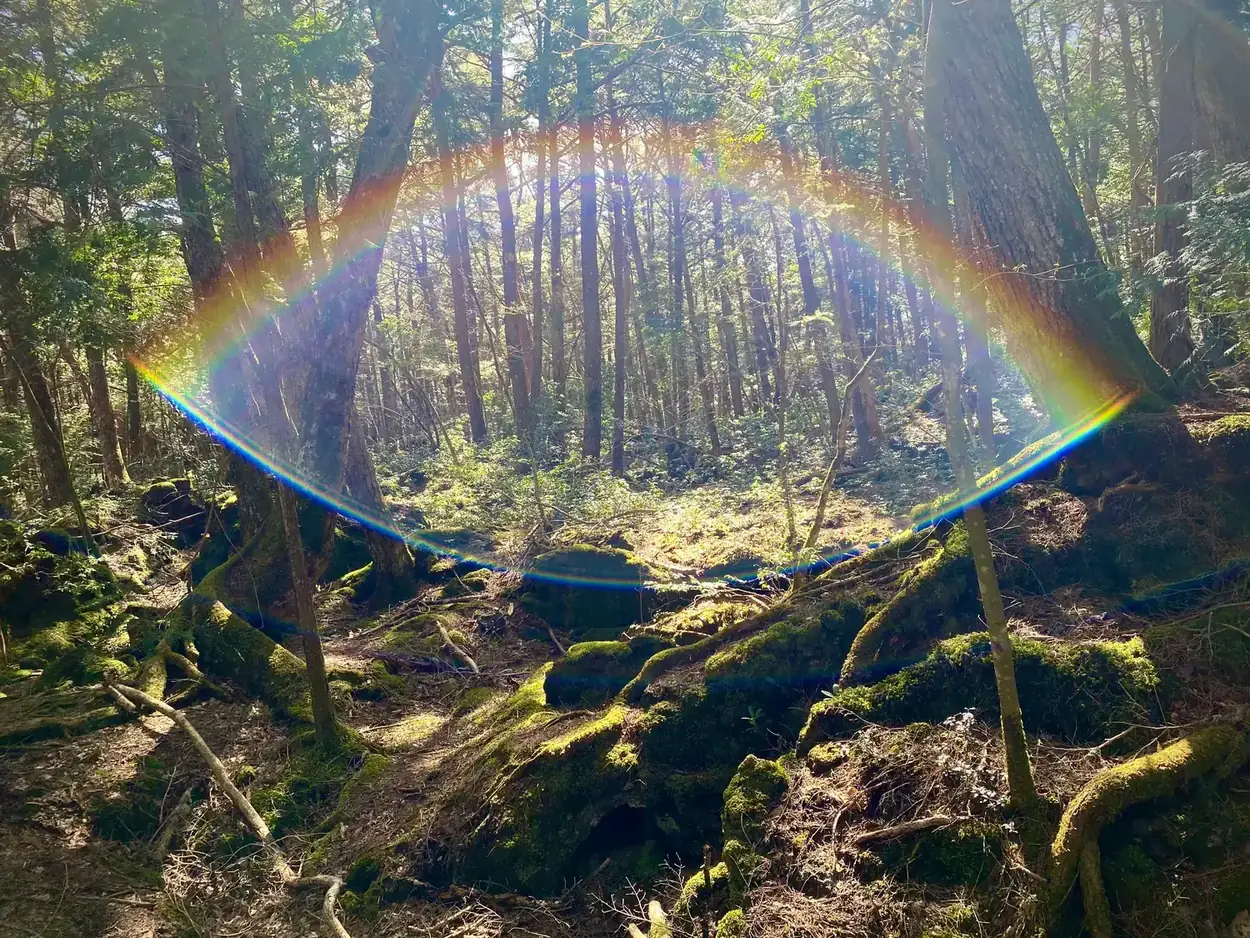
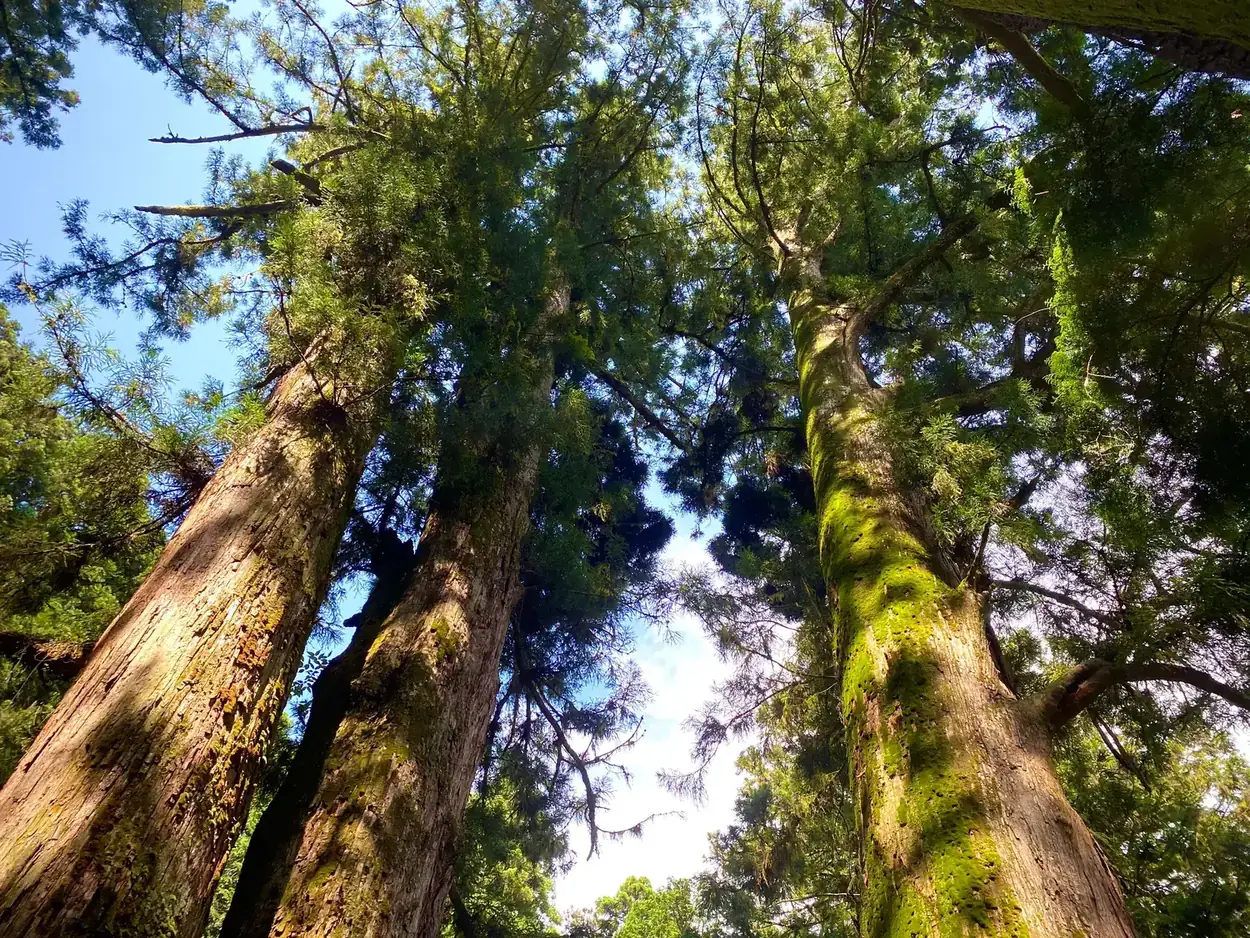
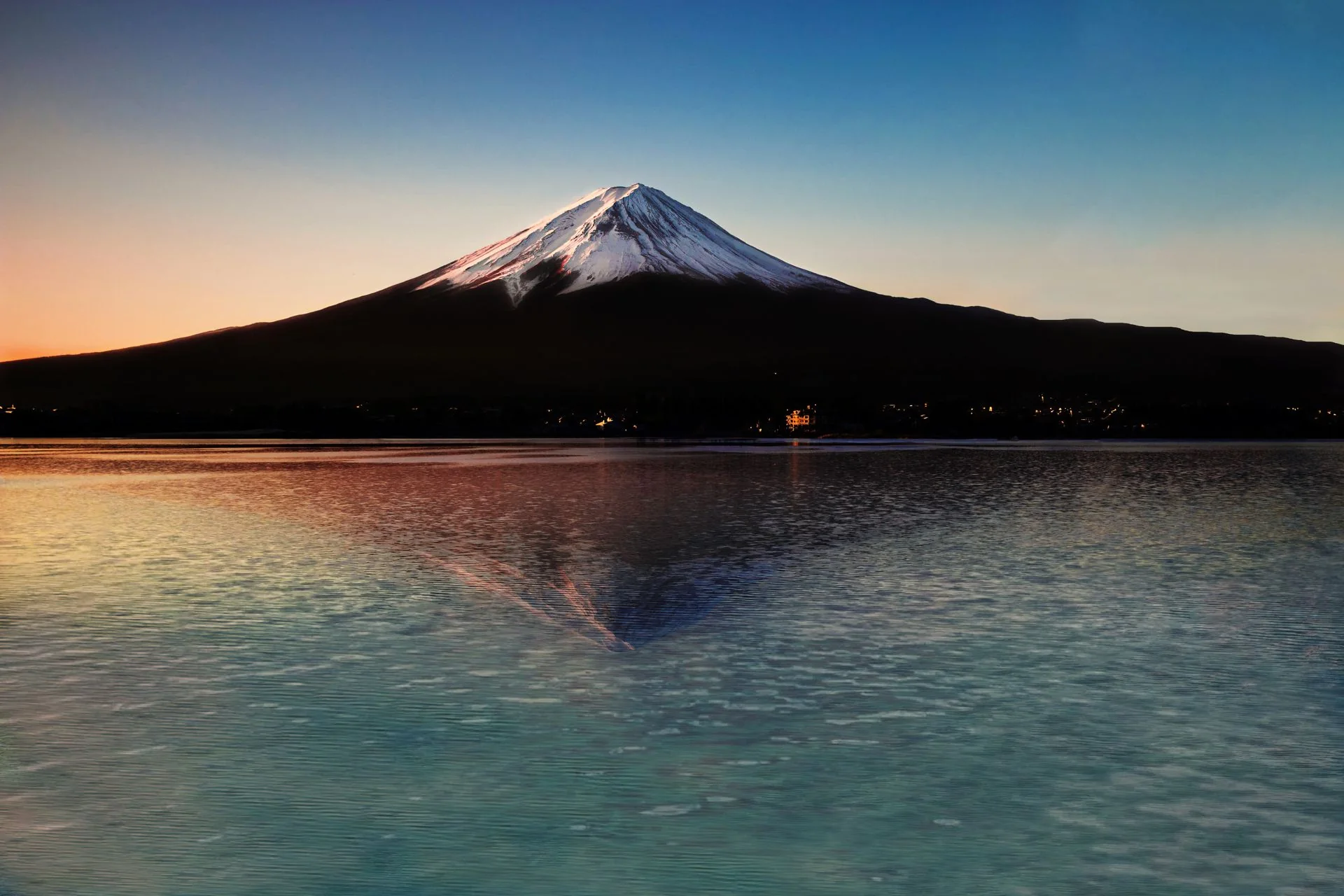
Mt. Fuji is part of life here too, but it shows up on its own terms. Some days it fills the sky; other days it vanishes behind the clouds. In winter, once the trees are bare, you can see it from the living room window. We rather like it that way. Nature doesn’t perform on cue.
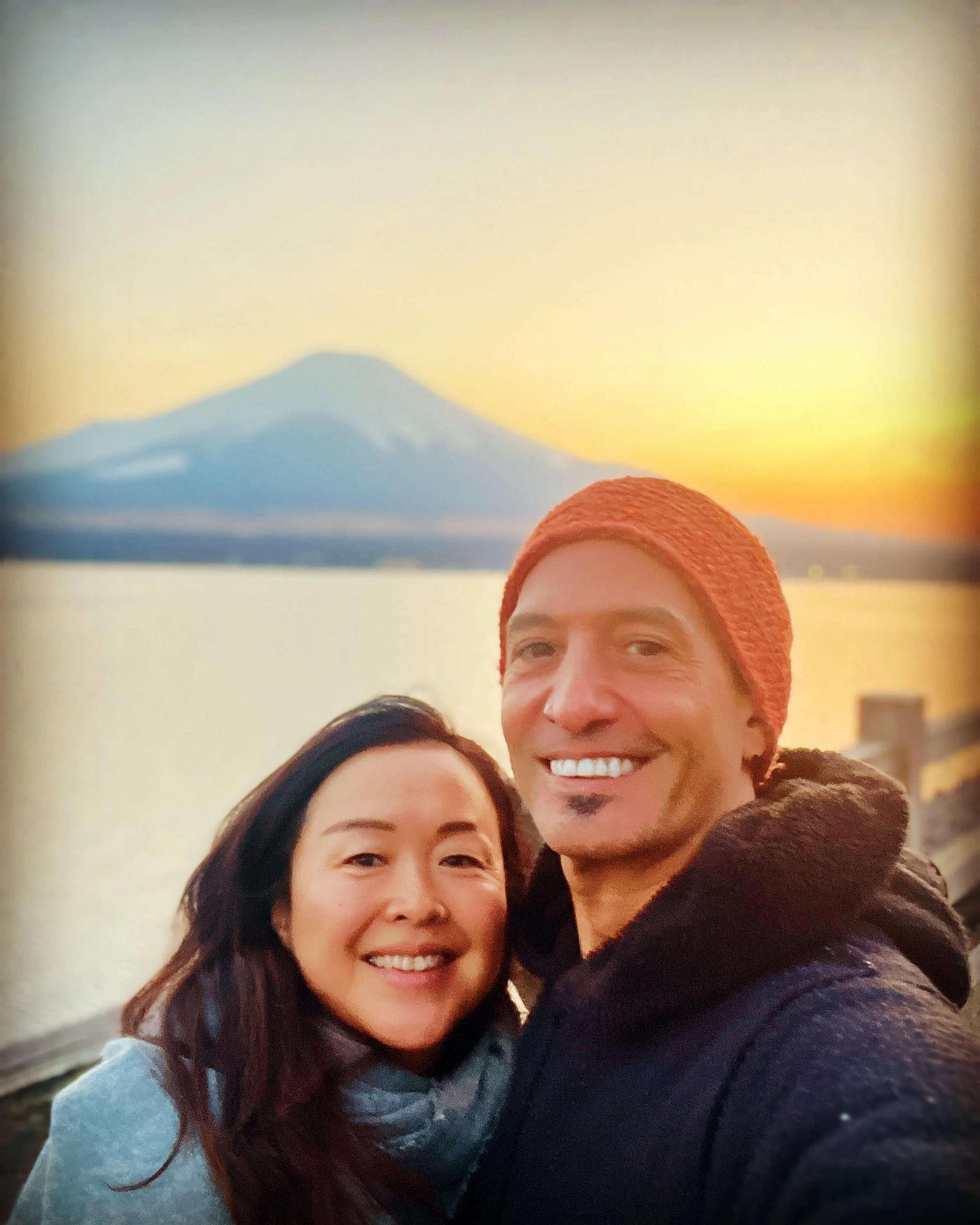
Sae is Japan’s only certified TRE® (Tension and Trauma Releasing Exercises) Trainer. She has spent ten years teaching across five countries in Asia, and also offers meditation and somatic work. Maxim grew up in Argentina and has spent most of his life dancing, performing and teaching Argentine tango around the world.
On paper, our work looks very different. But we’ve always cared about the same things: the body, movement, touch, presence, human connection, culture, sharing food, real time together — and the things words can’t quite reach.
Our work and our lives have taken us all over the world, among people from very different cultures. Again and again, we’ve found that what helps people soften and feel at home is usually simple: a good night’s sleep, a table to gather around, time that isn’t rushed, a body that can let go a little, and someone you can truly be with.
Casa Verde grew out of that. It isn’t a luxury resort, and it isn’t a house styled for photos. It’s a home we hope you’ll actually live in while you’re here — to eat, rest, move, talk, laugh, be quiet, and spend a little more time with yourself and the people around you.
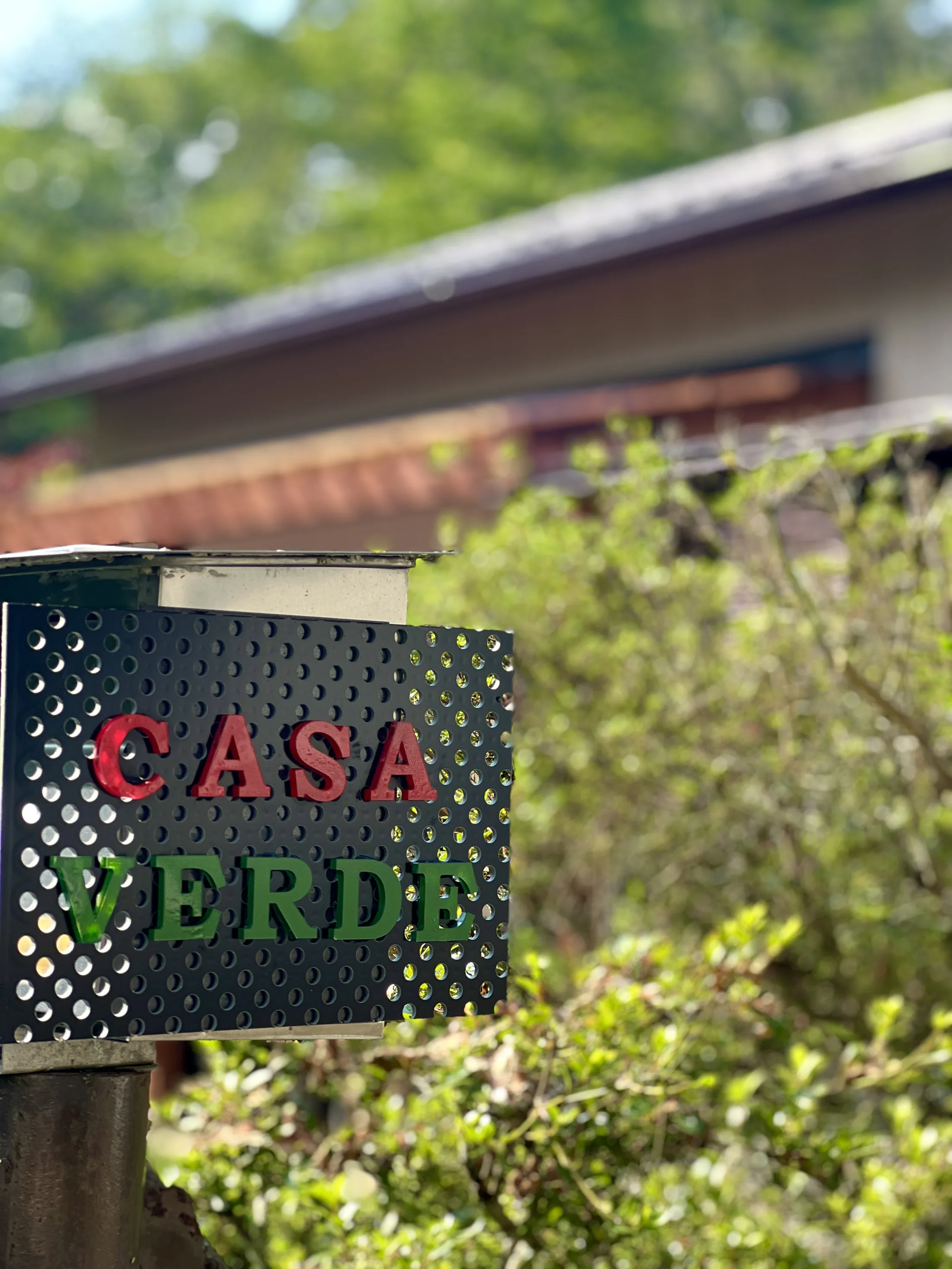
Casa Verde is Spanish for “the green house.” What drew us here wasn’t anything grand. It was the feeling of being close to the forest, the mountains, the lake, and the turning of the seasons.
Inside, it’s simple at heart: a kitchen made for cooking, a table that seats everyone, rooms to rest in, windows that let the outside in, art on the walls — room to be together, and room to be alone when you need it.
Casa Verde isn’t a house to admire from a distance. It’s one to settle into.
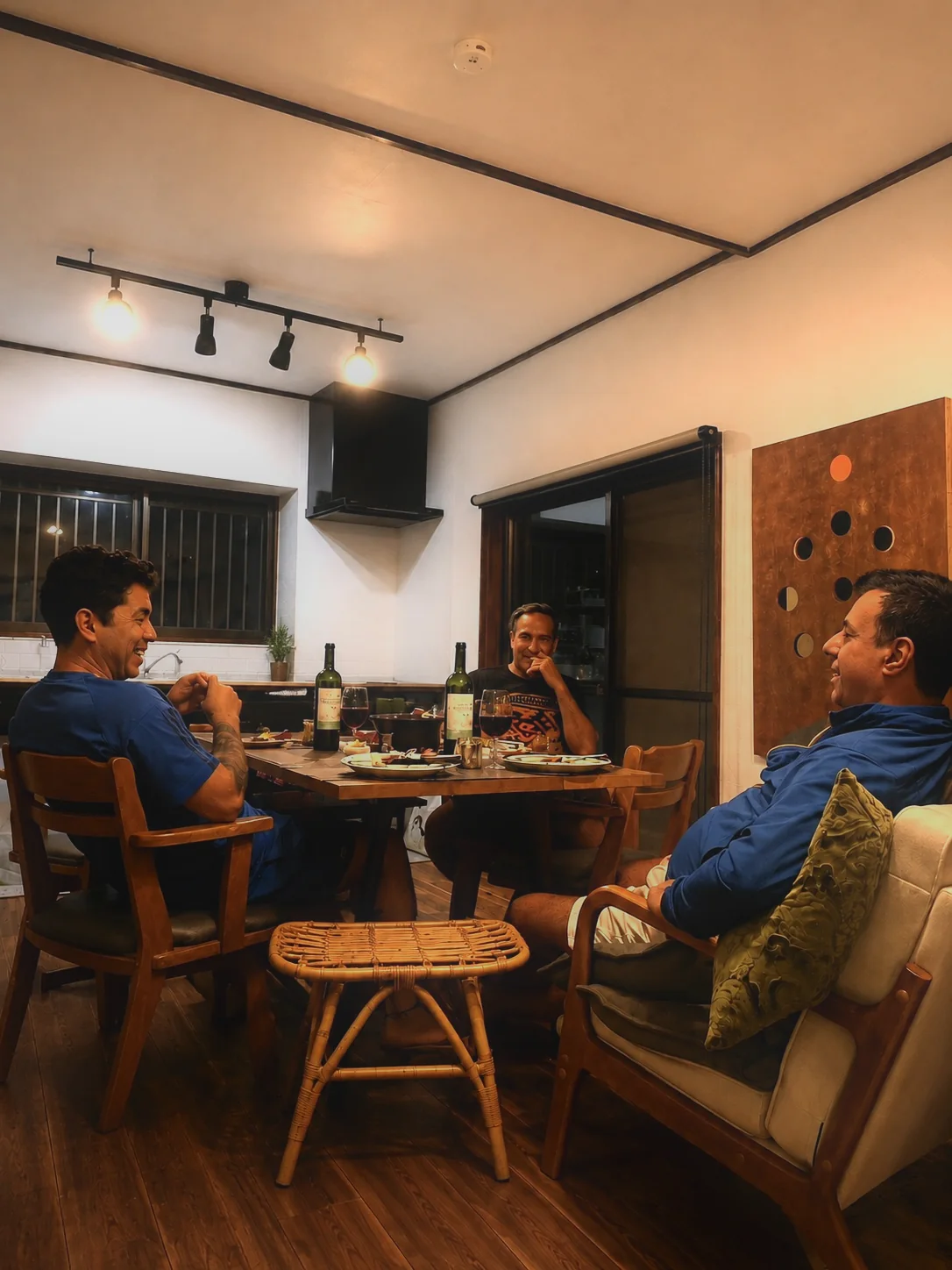
One group at a time, up to six guests. Come with family, friends or someone you love — or simply because you need a few quiet days away.
Casa Verde hosts small retreats, workshops, trainings and private group stays. If you run retreats and want to see whether the house is right for your group, get in touch.
There’s nothing to achieve here.
No need to fill every day.
Arrive. Put your bags down.
Cook something. Wander outside. Talk. Sleep.
Linger a little longer at the table.
And let yourself slow down.
Sae & Maxim